
 CARF Accredited · Confidential · St. Catharines, Ontario
When Someone You Love Is Struggling
If you’re here because someone you care about is struggling with drugs or alcohol, you are not alone. Addiction, and healing, extend beyond the individual to encompass the entire family unit. This page is for you.
Supporting Someone You Love Through Addiction?
If you are here because someone you care about is struggling with addiction or alcohol use, you are not alone. Families often reach out after years of worry, fear, broken trust, and feeling powerless to help. Many have already tried treatment with their loved one and are scared of getting their hopes up again.
At Twelve Mile Recovery, we understand that addiction affects the entire family, not just the person using.
We keep the program to 29 people across two houses, so no one slips through the cracks. Care is individualized, trauma informed, and led by people in long term recovery who understand addiction from lived experience, including the impact it has on families.
If you are looking for honest guidance and real support, reach out.
We See What This Has Cost You, Too
The Years of Worry
Fear, broken trust, and the feeling of being powerless to help someone you love.
Walking on Eggshells
Bracing for the next crisis, reading every silence, the emotional toll is relentless.
Caretaking vs. Caregiving
Families often exhaust themselves managing the addiction instead of supporting the person. The difference is hard to see from inside.
Guilt and Burnout
Feeling responsible for outcomes you cannot control, and ashamed to admit how tired you are.
Has Addiction Taken Over Your Family’s Life?
If addiction has created constant worry, tension, or conflict in your home, this message is for you.
Most families who contact us are not new to this. They have tried setting boundaries, offering support, stepping back, stepping in, and everything in between. Maybe you feel torn between wanting to help and feeling completely depleted. Over time, caregiving turns into caretaking, and its common to lose yourself in the process.
Living with addiction in the house often means walking on eggshells, bracing for the next crisis, or feeling responsible for outcomes you cannot control. The emotional toll builds quietly and relentlessly.
At Twelve Mile Recovery, we do things differently for a reason.
If you want support that recognizes your role, your exhaustion, and your need for care, keep reading.
How We Support the Family
Care for the Caretakers
Twelve Mile Recovery has a dedicated Family Support Counsellor whose role is to support parents, partners, and loved ones throughout the treatment process. This is care for the caretakers.
Families receive guidance around boundaries, communication, emotional burnout, guilt, and fear. You are given space to talk openly, ask hard questions, and receive support without judgment. This work helps families regain stability, clarity, and a sense of grounding while their loved one is in treatment.
You are not expected to have all the answers or carry this alone.
Aftercare That Extends Into the Home
We place strong emphasis on aftercare because the transition home is often where families feel the most anxious. Our aftercare support continues well beyond discharge, helping both the individual and their family navigate reintegration, communication, boundaries, and expectations.
Families are supported as routines shift, trust is rebuilt, and new dynamics take shape. This ongoing connection reduces the sense of isolation and fear that often returns once treatment ends.
Families Are Not an Afterthought
We keep the program to 29 people across two houses, because meaningful change requires focus. A community that size lets us genuinely understand each person's patterns, and how family dynamics may be contributing to stress, relapse or recovery.
Families are not treated as an afterthought. We recognize that healing happens best when loved ones are informed, supported, and no longer carrying the burden alone.
If addiction has been affecting your family, your health, or your sense of peace, it is okay to ask for support. You do not need to have everything figured out before calling. A conversation with our team will help you understand how we support both clients and families, and whether this program may be the right fit.
Recovery Is a Shared Endeavour
A Dedicated Family Support Specialist
Guided sessions to rebuild trust, improve communication and navigate the complexities of recovery, for you, not just your loved one.
Family Programming & Education →
Understanding addiction, trauma and recovery, so the home they return to speaks the same language as their treatment.
Aftercare Includes the Family →
Ongoing support and resources continue well beyond discharge, maintaining the progress made in treatment and addressing challenges as they arise.
People Who’ve Lived It
Twelve Mile is 100% owned and operated by individuals in long-term recovery. We’ve sat on both sides of this conversation.
What Brought Him Here
One of our residential support workers, on his own way in.
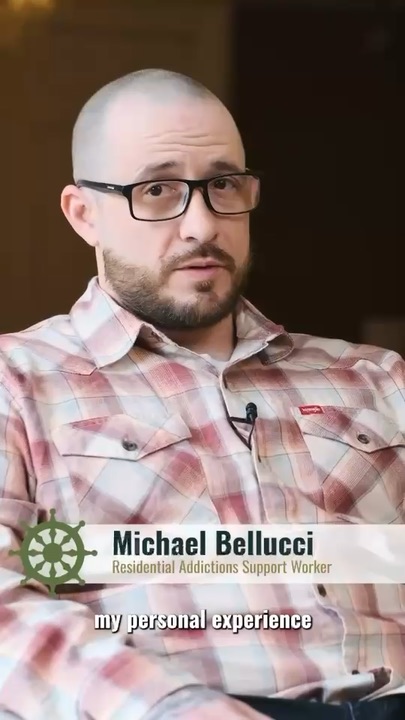 In their own words ▶ watch Michael BellucciResidential Addictions Support Worker
Your loved one heals in a home, surrounded by people who have walked this road themselves, not alone in a clinical ward.
Trauma Informed Care for Mind, Body and Spirit
Addiction is rarely just about substance use. It is often connected to stress, trauma, emotional overwhelm, and long-standing patterns within families. Our trauma informed approach means we pay attention to safety, communication, and nervous system responses for both clients and their loved ones.
There is no blame here. No shaming. Just clarity, education, and support.
- Dialectical Behaviour Therapy to build distress tolerance and emotional regulation
- Cognitive Behavioural Therapy to address thought patterns that fuel use
- Trauma focused therapy that respects pace and nervous system capacity
So You Know What You’re Walking Your Loved One Into
Residential First →
Six to twelve weeks at the residences, 24-hour structure, clinical care and community.
Then Virtual Care →
Six weeks of structured support from home, so the transition isn’t a cliff-edge.
Then Membership, for Life →
Aftercare, the alumni community and the app, the door stays open for good.
You’re Involved Throughout
Family therapy is built in where it’s clinically appropriate, repairing relationships strained by addiction.
You Do Not Need to Keep Carrying This Alone
You don’t need to have everything figured out before calling. A confidential conversation is enough for today, the path to healing is never walked alone.