
 CARF Accredited · Confidential · St. Catharines, Ontario
Two Struggles, Cared For as One
Anxiety, depression and trauma so often travel with addiction, each feeding the other. Trauma doesn’t only live in memory, it lives in the nervous system. Caring for both together, not separately, is what makes recovery hold.
Struggling With Your Mental Health and Substance Use?
If anxiety, depression, symptoms of trauma, or mood swings have been running your life alongside substance use, this message is for you.
Many people who reach out to us already know their struggles are not just about alcohol or drugs. They are exhausted from living with constant anxiety, deep lows, emotional numbness, intrusive memories, or feeling out of control inside their own head. Some have been diagnosed. Others have not. Most have tried to push through on their own.
At Twelve Mile Recovery, we treat substance use and mental health together, not separately.
We keep the program to 29 people across two residences, so you cannot slip through the cracks. Care is individualized, trauma informed, and led by people who understand what it feels like to live with both addiction and mental health challenges.
If you want real attention and honest support, reach out.
When Substances Are Doing a Job
Using to numb, and the impulse underneath it, described by someone who has been through it.
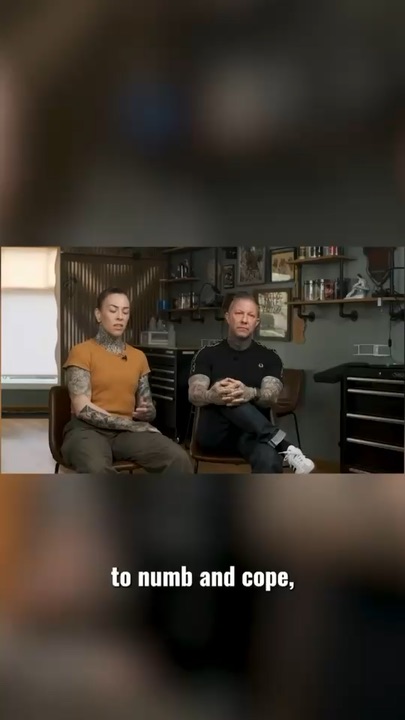 In their own words ▶ watch Chris Howe & Jo DuarteCo-Founders
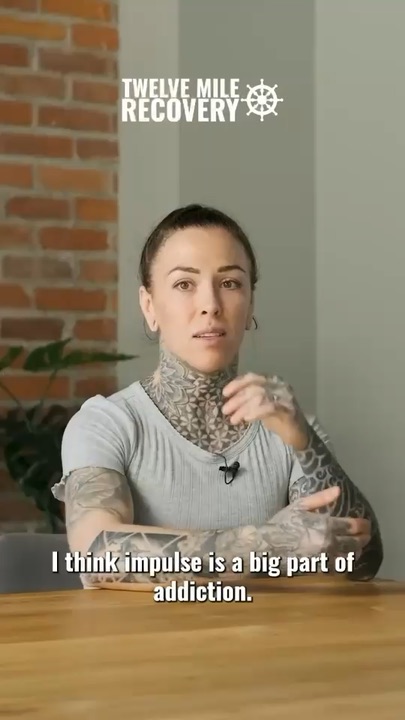 In their own words ▶ watch Jo DuarteProgram Director & Co-Founder
Does It Feel Like Your Mind Never Gets a Break?
If anxiety keeps you on edge, depression drains your motivation, or trauma shows up in your body without warning, you are not imagining it.
Many people we work with live in a constant state of tension or shutdown. Thoughts race. Sleep is inconsistent. Mood shifts feel unpredictable. Past experiences continue to shape reactions long after the danger has passed. Substances often become a way to cope, calm, numb, or escape.
Over time, the cycle tightens. Mental health symptoms fuel substance use, and substance use makes mental health symptoms worse. This can leave people feeling hopeless, ashamed, or afraid that nothing will ever truly help.
At Twelve Mile Recovery, we do things differently for a reason.
If you are ready to understand what is happening beneath the surface and learn how to stabilize both your mind and body, keep reading.
Care for the Whole Nervous System, Not Just the Habit
Cared For Together, Not in Turn
Substance use and mental health are worked on side by side, by a team trained in co-occurring care.
Trauma-Informed to the Core
Safety, choice, collaboration and pacing, we move at the speed your nervous system can handle, never forcing disclosure.
Built Around You
Your plan is shaped by your history, your patterns, your nervous-system responses, and the life you’re returning to.
Small Enough to Be Seen
Kept deliberately small, so staff know your baseline and notice early when something shifts.
The Conditions That So Often Travel With It
Anxiety & Depression
Steadied through evidence-based therapy and daily practices that regulate the nervous system.
Trauma & PTSD
Addressed with trauma-focused therapy that respects your capacity and never rushes.
Mood Instability
Worked through with DBT skills for distress tolerance and emotional regulation.
Stress-Related Conditions
Met with mindfulness, movement and breathwork that rebuild a sense of agency.
Trauma-Informed, and Built Around You
Our approach is trauma informed. We prioritize safety, choice, collaboration, and pacing. We pay attention to how your body responds to stress, how emotions surface, and how past experiences shape present behaviour.
Your care is individualized. There is no generic template. Your plan is built around your mental health history, substance use patterns, nervous system responses, and the life you are returning to.
We keep the whole program to 29 people across two residences, because concurrent mental health care requires consistency and trust. In large programs it is easy for symptoms to be missed or minimized. You are supported closely, in a way that feels human and collaborative rather than clinical or dismissive — whether you are dealing with anxiety, depression, trauma, PTSD or mood instability.
Recovery Is Not Only Cognitive
Addiction and mental health recovery is not only cognitive. The body plays a central role.
Structured physical activity, martial arts, yoga, breathwork and mindfulness help regulate the nervous system, reduce anxiety, improve mood, and rebuild a sense of agency. These practices support emotional stability alongside the therapeutic work:
Dialectical Behaviour Therapy, to build distress tolerance and emotional regulation.
Cognitive Behavioural Therapy, to address the thought patterns that fuel use.
Trauma-focused therapy that respects pace and nervous system capacity.
Support That Continues Past Your Last Day
Our aftercare model supports continued stability as you return to daily life. Ongoing connection helps manage symptoms, navigate stress and prevent relapse, especially during the transitions that can feel destabilizing.
You are not expected to figure this out alone once treatment ends.
If anxiety, depression, trauma, PTSD or mood disorders have been shaping your life and your substance use, it is okay to ask for help. You do not need a perfect diagnosis or a perfect plan before calling. A conversation with our team will help you understand whether this program is a good fit, and what the next steps could look like for you.
Medication, Without the Guesswork
Every client completes a pharmacogenetic (PGx) test as part of treatment — a simple cheek swab, analysed at a CLIA-certified Canadian laboratory, that shows how your body processes medication. The physicians overseeing your care use it to inform prescribing from day one, instead of finding the right medication by trial and error.
It is included in the cost of treatment, and the results stay useful for life.
How our pharmacogenetic testing works →
Powered by Inagene.

Concurrent care needs time and quiet. The building is arranged so there is somewhere to go when a day gets heavy.
You Don’t Have to Untangle It Alone
One confidential conversation with someone who understands both sides of this, that’s enough for today.