
 CARF Accredited · Confidential · St. Catharines, Ontario
The Practical Ground Recovery Stands On
Mastering life skills in the context of addiction recovery equips individuals with the resilience and self-awareness needed to navigate the complexities of life without reliance on substances. Our rehab program in Ontario focuses on fostering these critical skills, enabling a sustainable and healthy path forward.
What are Life Skills?
Life skills for addiction are the practical tools and abilities needed to navigate recovery and everyday life: effective communication, emotional regulation, stress management, decision-making, critical thinking and building healthy relationships.
Developing them matters because they are what let a person handle life’s difficulties without reaching for a substance. They build self-sufficiency and resilience against relapse. Learning to set realistic goals, manage time, resolve conflict peacefully and make informed choices is how people in recovery rebuild a life on a foundation of confidence rather than of avoidance.
Rebuilding the Everyday
Life skills are an integral component of the recovery process, acting as both a foundation and a beacon for those on the path to sobriety. By learning how to effectively manage time, handle finances, establish healthy relationships, and communicate effectively, individuals in recovery not only equip themselves with the tools necessary for navigating day-to-day challenges but also build self-esteem and a sense of accomplishment.
These skills empower them to make informed decisions, set boundaries, and pursue goals that were once overshadowed by addiction. Life skills training encourages a proactive approach to problem-solving and stress management, reducing the likelihood of relapse. In essence, life skills offer more than just practical benefits; they foster a renewed sense of purpose and direction in one’s life journey after addiction.
Decisions & Boundaries
Practice making informed choices and holding healthy boundaries under real pressure.
Routine & Responsibility
Structure returns, sleep, meals, commitments, the scaffolding of a stable day.
Managing Stress
Healthier responses to the challenges that used to trigger use.
Purpose & Goals
Room to pursue the things addiction overshadowed, work, relationships, meaning.
Learned by Doing
Alongside Therapy →
Skills practiced in group and one-to-one, then applied in daily life at the residence.
Small, Repeatable Steps
Confidence built gradually, one manageable skill at a time.
Ready for Home →
Focused on the transition, so discharge feels like a step forward, not a cliff edge.
Carried Into Membership →
Reinforced for life through aftercare and the alumni community.
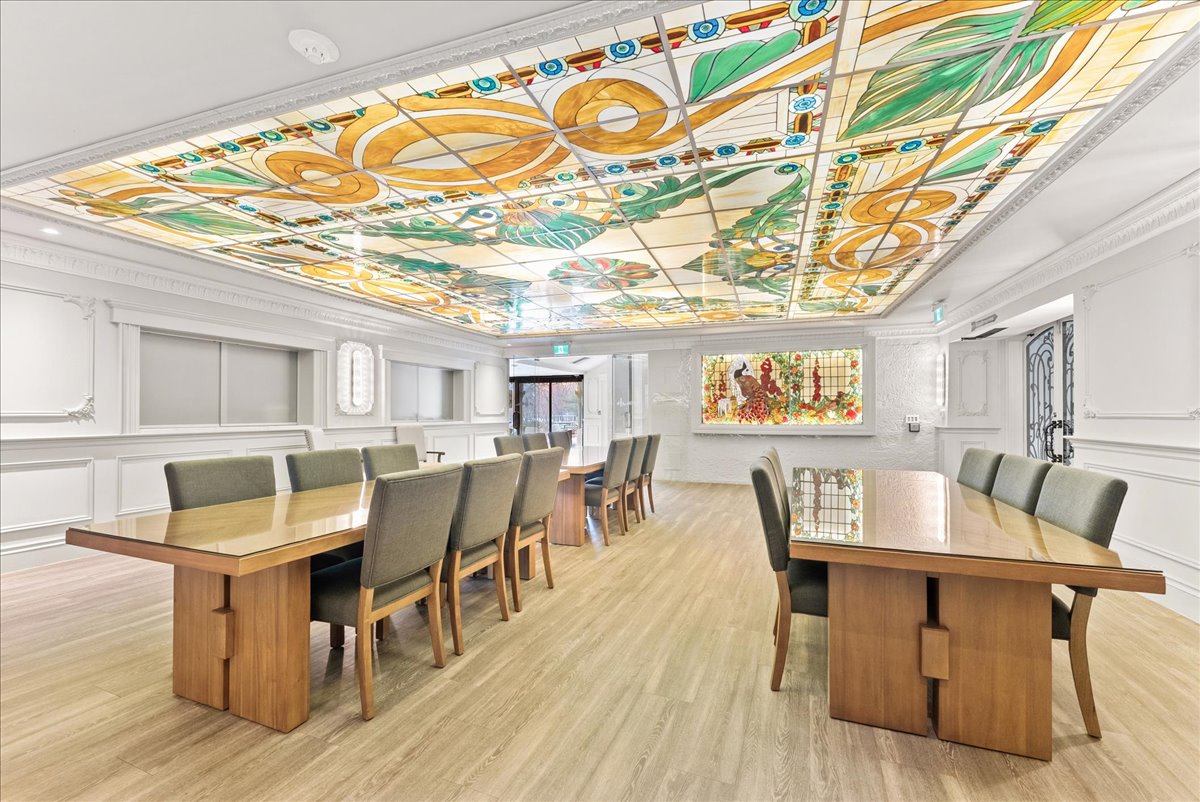
Cooking, budgeting, keeping a routine, sitting down with other people. Life skills are practiced here daily, not taught in a classroom.
Practical Lessons, Not Theory
We treat life skills as a core part of the recovery journey rather than a supplement to it. The focus is on equipping you with what you need for daily life after treatment — managing money, keeping relationships healthy, handling stress, communicating without a fight.
These are practical lessons, practiced in the house rather than taught at a whiteboard. Building them into the program is how people leave with a foundation to grow on instead of a certificate.
See if It Fits
A calm, no-pressure conversation with someone who understands the road, completely confidential.