
 CARF Accredited · Confidential · St. Catharines, Ontario
Stillness That Settles the Nervous System
Ancient practices with a modern purpose, steadying the body and quieting the mind so recovery has room to take hold.
What Yoga, Meditation and Mindfulness Do for Addiction
Yoga, meditation and mindfulness are a powerful trio of tools for people working through addiction, offering an approach to recovery that reaches mind, body and spirit rather than any one of them alone.
They ask you to build a deep self-awareness and a real inner steadiness, both central to healing. Yoga works through physical postures and breathing techniques that improve physical health and emotional regulation. Meditation teaches an acceptance of the mind, letting you observe thoughts and feelings without judgment. Mindfulness ties the two together in a moment-to-moment awareness of your own experience, lowering stress and building resilience against cravings and triggers.
Together they help people develop healthier coping, rebuild self-confidence, and establish a foundation for long-term sobriety.
Calm You Can Practice
Yoga, meditation, and mindfulness practices play a pivotal role in the journey of recovery, offering a sanctuary for the mind and body to heal and regain balance. These holistic practices foster an environment of self-awareness and inner peace, essential components in overcoming addiction.
By engaging in yoga, individuals stretch and strengthen their bodies, releasing physical tension and stress that often accompany recovery. Meditation and mindfulness, on the other hand, guide the mind towards a state of calmness and clarity, helping individuals to detach from cravings and negative thought patterns. Together, these practices empower those on the path to recovery with tools for managing emotions, improving mental health, and cultivating a deep sense of resilience and self-compassion.
Through this integrated approach to wellness, individuals find not only relief from the symptoms of withdrawal but also a profound connection to their inner strength and capacity for change.
Release Stored Tension
Gentle movement and breath let go of the physical stress that so often rides alongside addiction.
Self-Awareness
Mindfulness builds the pause between trigger and response, the space where choice lives.
A Quieter Mind
Meditation softens rumination and anxiety, offering real relief through the hardest early days.
Coping That Lasts
Practices that don’t stay at the residence, they travel home with you.

How We Practice Here
Guided Yoga
Beginner-safe classes; no experience or flexibility required.
Breathwork & Meditation
Simple, repeatable ways to settle the body on demand.
Mindfulness Through the Day →
Woven into meals, movement and rest, not just a single class.
Paired With Therapy →
Stillness supports the clinical work, and the clinical work supports the stillness.

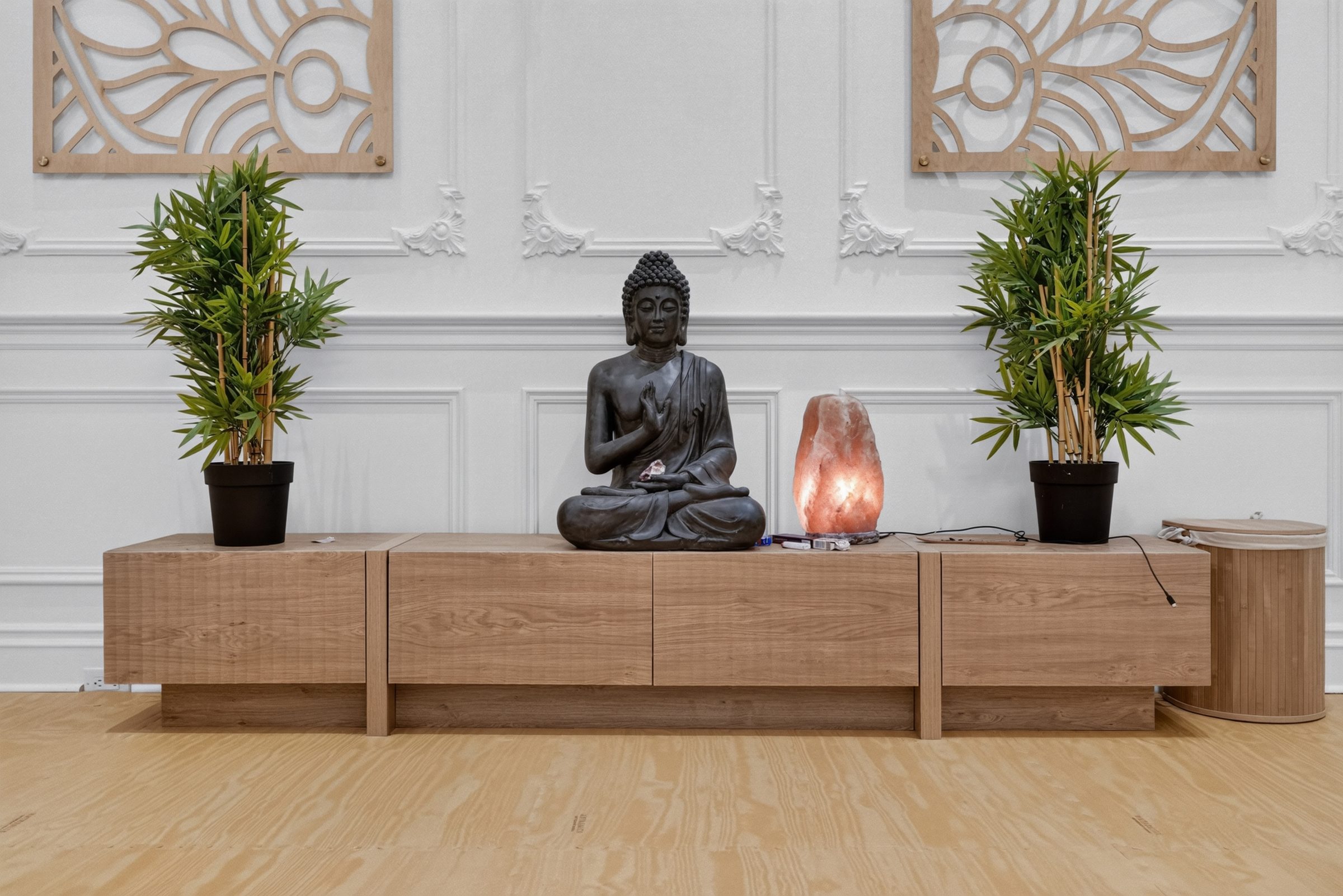
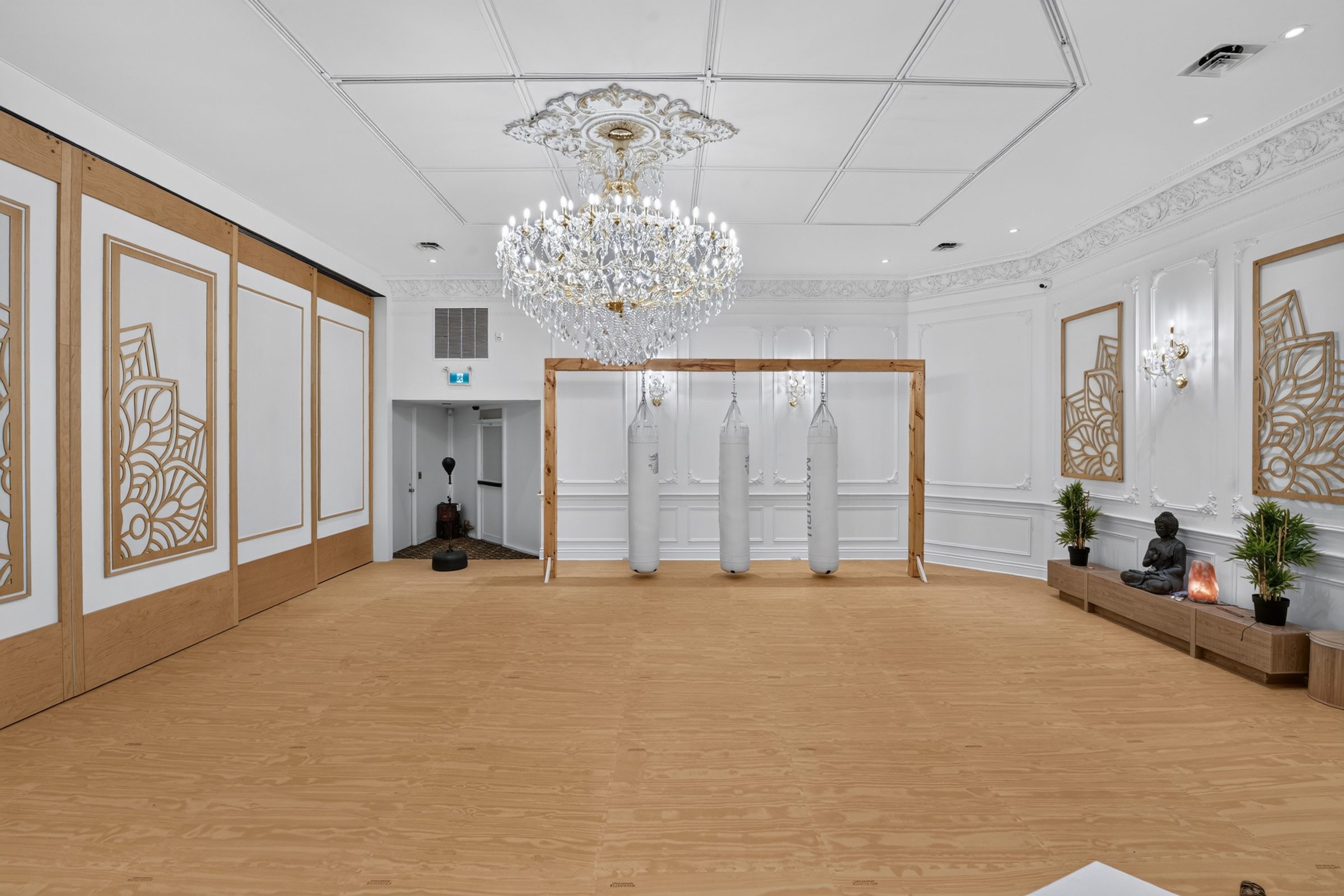
The same room, set for stillness. Mats, blocks and bolsters are kept to hand so a practice can start whenever it is needed.
Yoga, Meditation and Mindfulness With Twelve Mile
We build these practices into the program because of what they reach that conversation alone cannot. Guided yoga sessions reconnect people with their bodies after a long period of being at odds with them. Meditation and mindfulness quiet the mind, lower stress and sharpen concentration, which makes thoughts and emotions manageable rather than overwhelming.
What people tend to find is not only relief from the symptoms of early recovery but a real connection to their own capacity for change — and, because none of it requires equipment or a membership, it is still there on the days after discharge when it is needed most.
See if It Fits
A calm, no-pressure conversation with someone who understands the road, completely confidential.