
 CARF Accredited · Confidential · St. Catharines, Ontario
Meth Addiction
Meth addiction rehab in Ontario — time, clinical support and real structure to settle the exhaustion, the paranoia and the broken sleep, and to hold through the months that follow.
What is Meth Addiction?
Methamphetamine is a powerful central nervous system stimulant. It produces intense euphoria, energy and alertness, and the cost of that is unusually high: prolonged use damages sleep, appetite, teeth and skin, and can cause lasting changes to the brain’s structure and function.
What makes meth so hard to leave is how completely it takes over the ranking of everything else. Socially, professionally, personally, life narrows around the drug. Getting free of it needs treatment that deals with the psychological grip and with the physical aftermath — and it needs enough time for both.
You Do Not Have to Be Sure
There is no threshold you have to cross to deserve help. If a few of these land, that is reason enough for a conversation — no pressure, and no commitment.
One call or text, and we can work out the next step together. Completely confidential.
Talk to someone- You have gone days without real sleep, more than once.
- Eating has become something you remember to do rather than want to.
- You have felt watched, followed or talked about while using.
- People who know you have said you are not yourself.
- You have used in order to work, to drive or to get through a shift.
- Stopping for a few days flattens you completely.
Why Meth Is Hard to Stop
None of this is a character flaw. Knowing which part of it is pharmacology and which part is the reason you started makes the whole thing easier to treat.
The Crash Is Long
Coming off meth is not a bad weekend. Exhaustion, sleep that will not come right and a flat, heavy mood can run for weeks — far longer than most people can hold out unsupported.
It Changes the Chemistry
Meth floods the reward system hard enough that ordinary pleasures stop registering for a time. Recovery from that is real but slow, and the slowness is what sends people back.
Paranoia Can Outlast the Drug
Suspicion, agitation and sometimes frank paranoia can persist after use stops. It is treatable, and it needs proper assessment rather than waiting it out.
It Empties the Calendar
By the time most people ask for help there is not much left of the routine, the work or the relationships that would normally hold them up. Structure has to come from outside for a while.
Coming Off Meth Takes Longer Than People Expect
Methamphetamine withdrawal is not usually life-threatening, but it is prolonged. Deep exhaustion, disrupted sleep, strong cravings and a heavy, flat mood are the norm across the first weeks, and low mood in that period can become serious. Paranoia or agitation that carries on after stopping should be medically assessed rather than waited out.
Twelve Mile Recovery is not a detox facility. We ask for at least 72 hours of sobriety before you arrive, and where a medical detox is needed we arrange the referral with our partners first. Once you are here, registered practical nurses are part of daily care and an addiction-medicine physician oversees your plan.
- We are not a detox facility
- Detox referrals arranged with our partners
- At least 72 hours of sobriety before arrival
- Nurses on the team and physician oversight once you are here
Meth Addiction Rehab With Twelve Mile Recovery
Meth recovery is largely a question of time, held safely. Our approach is whole-person and built around you: one-to-one counselling, small-group therapy and supportive practice designed to rebuild physical health and steady the emotional ground underneath it.
You stay in a restored heritage residence in St. Catharines, in a group small enough that people notice how you are. Sleep, food, training and routine are treated as clinical work, because with methamphetamine they are — the body has to come back before much else will.
Rebuilding Sleep and Health →
Appetite, sleep and physical condition take the worst of it. Cooking, nutrition and conditioning are structured into the week rather than left to chance.
Trauma-Informed Therapy →
One-to-one psychology and small-group work address what the drug was doing for you, led by a team that includes people with their own recovery behind them.
Concurrent Mental Health →
Anxiety, depression and persisting paranoia are assessed and treated as part of the same plan, not handed off elsewhere.
Structure That Outlasts the Stay →
Life skills, reintegration and lifetime aftercare rebuild the routine meth dismantled, and keep it standing once you are home.
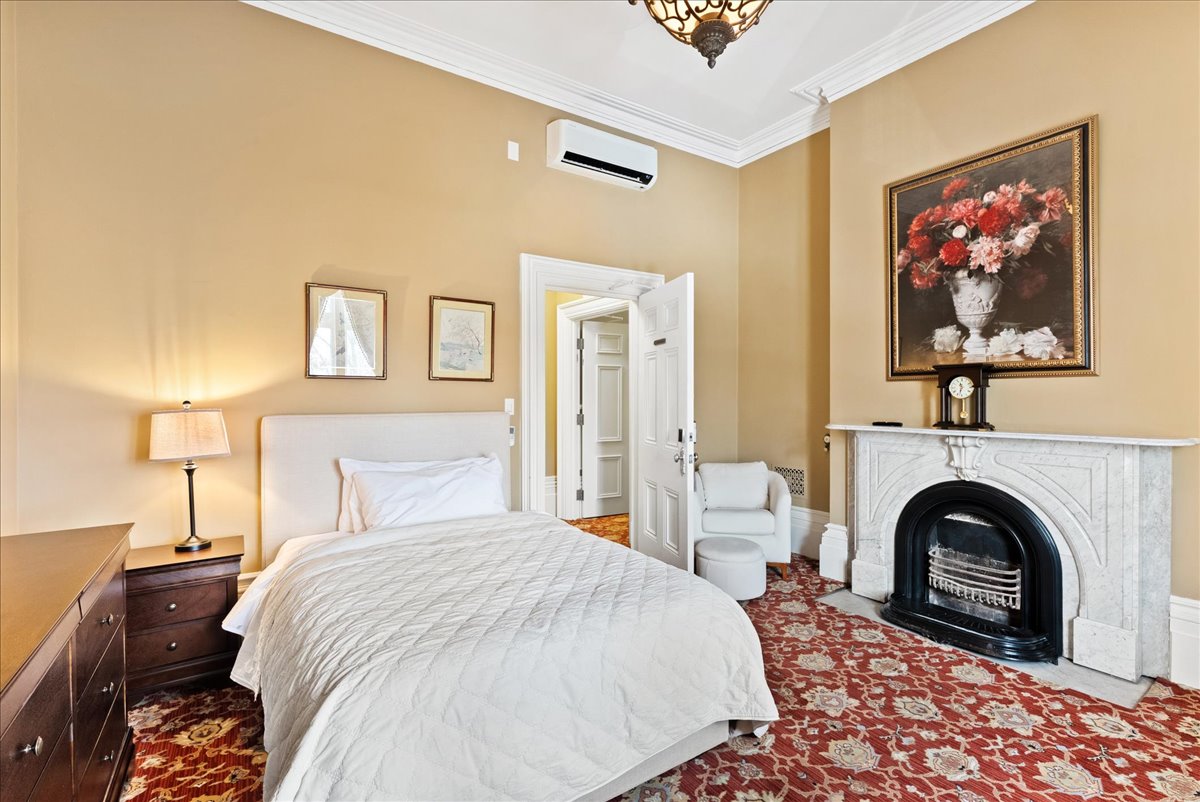
Recovery from methamphetamine takes time. A residential stay gives that time somewhere safe to happen.
Why You Should Seek Professional Help
Methamphetamine is among the most addictive substances there is, and its effects reach far past the physical into mental health, relationships and the shape of an ordinary day. Recovery takes more than willpower; it takes a plan that addresses the psychological and the physiological together.
At Twelve Mile Recovery that means therapy for the behavioural and emotional side, medical oversight for the physical, a supportive community and a setting quiet enough to heal in. Care is personalized, and it continues long after the residential stay ends.
- We are not a detox facility
- Detox referrals arranged with our partners
- At least 72 hours of sobriety before arrival
- Nurses on the team and physician oversight once you are here
Meth, Answered Before You Call
Do I need to detox before I arrive?
How long before I feel normal again?
I have been having paranoid thoughts. Can you help with that?
How long would I stay?
Talk to Someone.
Completely confidential, at every stage of recovery, call or text (289) 301-8852.