
 CARF Accredited · Confidential · St. Catharines, Ontario
Cannabis Addiction
Cannabis addiction treatment in Ontario, in a small residential program on the Twelve Mile Creek. Marijuana dependency is real, and so is the fog it leaves you in — we treat what the cannabis was managing, not just the habit, with support that continues long after you leave.
What is Cannabis Addiction?
Cannabis addiction — clinically, cannabis use disorder — is a recognized condition in which use continues despite what it is costing you: motivation, memory, money, relationships, or simply the ability to feel like yourself without it. Legalization changed where people buy it. It did not change what daily, heavy use does to some of the people using it.
It is hard to leave for a quieter reason than most substances. Cannabis rarely produces a dramatic crisis; it produces a slow narrowing, where sleep, appetite and calm all get outsourced to the drug and the rest of life shrinks around it. Today's high-THC products are considerably stronger than what the plant meant a generation ago, and dependence on them is nothing to be embarrassed about — or to keep white-knuckling alone.
You Do Not Have to Be Sure
There is no threshold you have to cross to deserve help. If a few of these land, that is reason enough for a conversation — no pressure, and no commitment.
One call or text, and we can work out the next step together. Completely confidential.
Talk to someone- The first smoke or vape of the day keeps moving earlier.
- You cannot get to sleep without it, and you have stopped trying.
- It takes stronger product, more often, for the same calm.
- You have quit before, and it never held past a few days.
- Things you used to enjoy without it have quietly fallen away.
- You are foggy more days than not, and you have stopped noticing.
Why Cannabis Is Hard to Stop
None of this is a character flaw. Knowing which part of it is pharmacology and which part is the reason you started makes the whole thing easier to treat.
The Withdrawal Is Quiet, but Real
Stop after years of daily use and the first week brings irritability, restlessness, vivid dreams and nights of broken sleep. None of it is dangerous. All of it is exactly what sends people back — usually "just to sleep".
It Was Doing a Job
Cannabis is nearly always managing something: sleep, anxiety, boredom, a mind that will not slow down on its own. Remove it without replacing what it was doing and the job it was hired for comes straight back.
It Is Legal and Everywhere
You can buy it on the corner, and everyone around you says it is harmless. That makes quitting socially invisible — no one treats it as serious, including, too often, the person trying to stop.
The Fog Lifts Slowly
THC stores in body fat and leaves slowly, so motivation, memory and mood can take weeks to come back. People decide the quitting "isn't working" inside that window and give up — right before it would have.
What Stopping Cannabis Is Actually Like
Unlike alcohol or benzodiazepines, stopping cannabis is not medically dangerous, and we will not pretend otherwise. What it is, for a heavy daily user, is genuinely uncomfortable: a week or two of irritability, restlessness, low appetite, anxiety and very poor sleep, with vivid dreams that can go on longer. "Not dangerous" is not the same as "not hard" — the discomfort is exactly why quitting alone so rarely holds.
Twelve Mile Recovery is not a detox facility, though for cannabis a medical detox is rarely what is needed. Our admission rule is the same as for every substance: at least 72 hours of sobriety before you arrive. Call us and we will plan those days with you rather than leaving you to face them alone.
- We are not a detox facility
- Detox referrals arranged with our partners
- At least 72 hours of sobriety before arrival
- Nurses on the team and physician oversight once you are here
Cannabis Addiction Treatment With Twelve Mile Recovery
The work is not convincing you that weed ruined your life — often it has not, yet, which is why it is so easy to keep going. The work is finding out what the cannabis has been managing, treating that properly, and giving your head the weeks it needs to clear. Our program blends trauma-informed one-to-one psychology, small-group therapy and daily physical practice, led by a team that includes people with their own recovery behind them.
You stay in a restored heritage residence in St. Catharines with a very small group — twenty-nine places across two houses — so nobody becomes a file number. Structure does a lot of the early lifting: real sleep, real meals, a full day, and no dispensary on the walk home.
Trauma-Informed Therapy →
Daily use is nearly always managing something. One-to-one and small-group work goes after what the cannabis was quieting, so you are not left defending an empty habit.
Sleep and the Body First →
The first weeks off cannabis are a sleep and appetite problem before they are anything else. Nutrition, the gym and a full daily structure are on the timetable, not extras.
Prescribing Informed by Your DNA →
Pharmacogenetic testing is included for every client, so if medication ever forms part of your plan — for sleep, anxiety or mood — it is chosen with how your body processes it in mind.
The Months After →
Legal, cheap and on every corner — cannabis is easy to drift back to. Reintegration and lifetime aftercare keep the support running once the structure of the residence is gone.
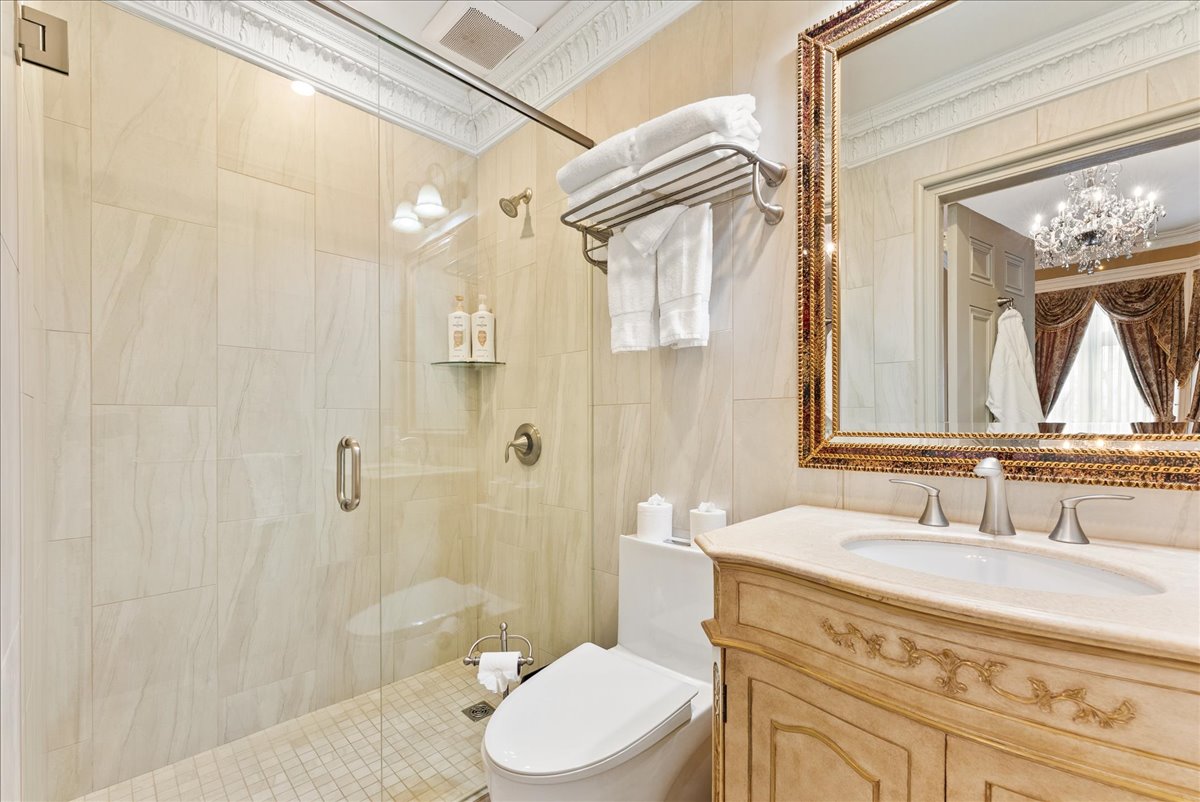
The first weeks off cannabis are mostly about sleep, appetite and a clearing head. This is a settled place to let that happen.
Why You Should Seek Professional Help
Most people trying to stop cannabis do it alone, repeatedly, because nothing about it feels serious enough to ask for help with. That is exactly how years disappear. Professional cannabis addiction treatment in Ontario turns the attempt into a plan: the sleep problem, the anxiety underneath, the habits wrapped around the day — treated together, by people who do not need convincing that this is real.
Choosing Twelve Mile Recovery means a small community, evidence-based care shaped around you, and a setting quiet enough for your head to clear in. If you are reading this for someone you love who insists it is just weed, we have had that conversation many times — call us and have it with us.
- We are not a detox facility
- Detox referrals arranged with our partners
- At least 72 hours of sobriety before arrival
- Nurses on the team and physician oversight once you are here
Cannabis, Answered Before You Call
Is cannabis actually addictive?
It is legal. How can it be a problem?
Will I ever sleep without it?
How long would I stay?
Talk to Someone.
Completely confidential, at every stage of recovery, call or text (289) 301-8852.