
 CARF Accredited · Confidential · St. Catharines, Ontario
Alcohol Addiction
Alcohol addiction rehab in Ontario, in a small residential program on the Twelve Mile Creek. We treat what the drinking was doing for you, not only the drinking — with the detox referral arranged first, and support that carries on long after you leave.
What is Alcohol Addiction?
Alcohol addiction — clinically, alcohol use disorder — is a chronic condition in which drinking continues despite what it is costing your health, your relationships and your life. It is rarely a matter of willpower. Genetics, environment and whatever you have lived through all feed it, and over time drinking moves from something you choose to something the day is organized around.
It is hard to break alone because two things hold it in place at once. Your body has adapted, so stopping brings real physical withdrawal. And the alcohol is usually managing something — anxiety, grief, a memory, a room you cannot otherwise sit in. Treating one without the other is how people end up doing this over and over. Recognizing it is the first step towards treatment, and it is the one most people take years to reach.
You Do Not Have to Be Sure
There is no threshold you have to cross to deserve help. If a few of these land, that is reason enough for a conversation — no pressure, and no commitment.
One call or text, and we can work out the next step together. Completely confidential.
Talk to someone- You have decided to stop at two, and it has not held.
- The first drink of the day keeps moving earlier.
- It takes noticeably more than it used to for the same effect.
- You wake shaky, sweating or sick, and a drink settles it.
- You have started drinking alone, or hiding how much.
- You have had the same conversation with your family more than once.
Why Alcohol Is Hard to Stop
None of this is a character flaw. Knowing which part of it is pharmacology and which part is the reason you started makes the whole thing easier to treat.
Your Body Adapted
Regular drinking changes how your nervous system regulates itself. Take the alcohol away and it over-fires, which is why the shakes and the anxiety usually arrive before the craving does.
It Was Doing a Job
Alcohol is nearly always managing something: anxiety, grief, a memory, a room you could not otherwise sit in. Remove it without replacing it and the reason it was there comes straight back.
It Is Everywhere
Nothing else you might be dependent on is poured at weddings and handed to you by friends. Recovery from alcohol has to survive an environment that keeps offering it.
The Reset Takes Weeks
Sleep, mood and appetite all take time to come back. People going it alone tend to stop during that window — not because they stopped wanting to be sober.
Stopping Alcohol Is the Part That Needs a Doctor
Alcohol is one of the few substances where the withdrawal itself can be dangerous. If you drink daily or heavily, stopping abruptly can bring on seizures and other serious complications. It should never be done alone, and never without medical advice.
Twelve Mile Recovery is not a detox facility. Where detox is needed we arrange the referral with our partners first, and we ask for at least 72 hours of sobriety before you arrive. That is not something you have to sort out by yourself — call us and we will set it up with you.
- We are not a detox facility
- Detox referrals arranged with our partners
- At least 72 hours of sobriety before arrival
- Nurses on the team and physician oversight once you are here
Alcohol Addiction Rehab With Twelve Mile Recovery
Once the physical withdrawal is behind you the real work starts, and it is the work that decides whether this holds. Our alcohol program blends trauma-informed one-to-one psychology, small-group therapy and whole-body practice, led by a team that includes people who have made this same journey themselves.
You stay in a restored heritage residence in St. Catharines with a very small group — twenty-nine places across two houses — so nobody becomes a file number. What we are aiming at is not a stretch of dry days. It is a life in which the alcohol is no longer needed.
Trauma-Informed Therapy →
Heavy drinking is usually doing a job. One-to-one and small-group work goes after what the alcohol was managing, so sobriety becomes something you can live in rather than white-knuckle.
Rebuilding the Body →
Sleep, nutrition, the gym and the sauna are on the timetable, not extras. The first weeks off alcohol are physical before they are anything else.
Prescribing Informed by Your DNA →
Pharmacogenetic testing is included for every client, so if medication forms part of your plan it is chosen with how your body actually processes it in mind.
The Months After →
Alcohol is the hardest thing to avoid once you are home. Virtual care and lifetime aftercare keep the support running when the structure of the residence is gone.
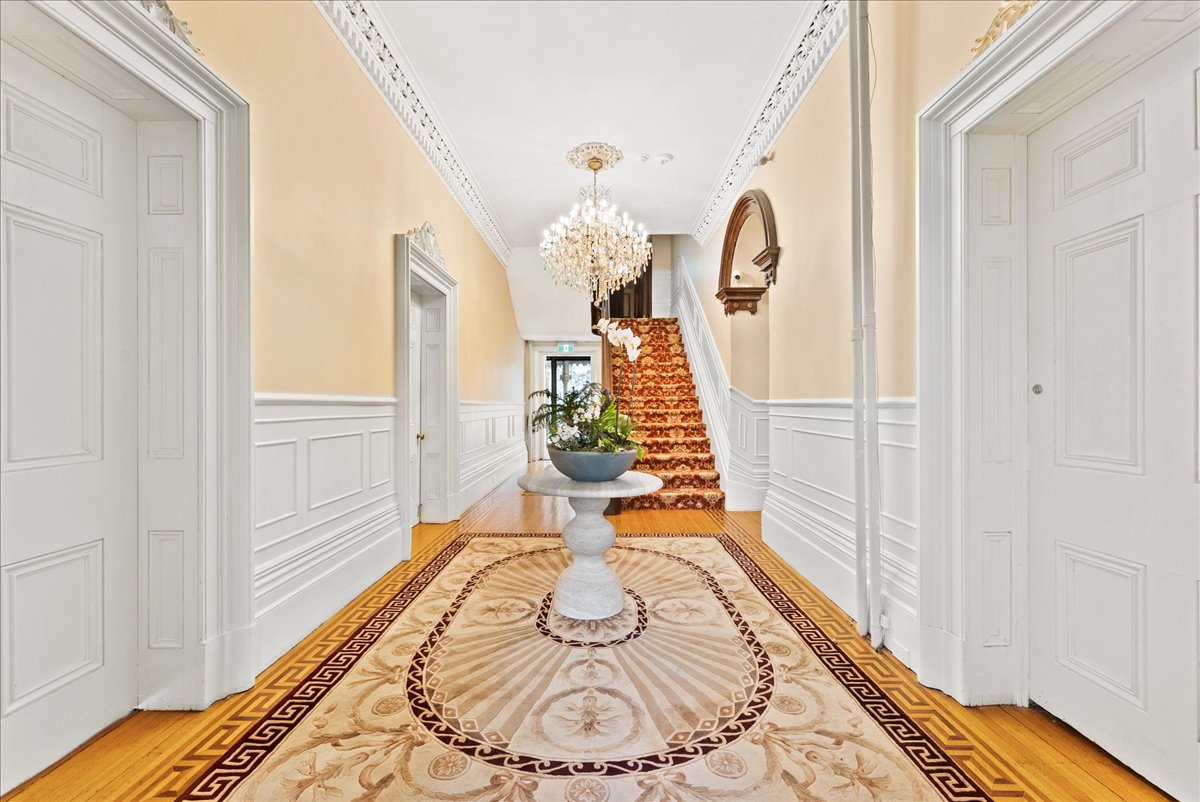
Withdrawal from alcohol is medically supervised elsewhere; what happens here is everything that comes after.
Why You Should Seek Professional Help
Professional alcohol addiction rehab in Ontario is what turns a decision into something that lasts. Choosing Twelve Mile Recovery is not simply access to expert care; it is joining a small community that will carry you through the parts you cannot think your way out of. Our team uses evidence-based treatment shaped around you, in a setting quiet enough for it to land.
We treat the physical side of alcohol dependence and the emotional and psychological weight that travels with it, because addressing one without the other is how recovery comes undone. If you are reading this for someone else, the same is true for them.
- We are not a detox facility
- Detox referrals arranged with our partners
- At least 72 hours of sobriety before arrival
- Nurses on the team and physician oversight once you are here
Alcohol, Answered Before You Call
Do I need to detox before I arrive?
I hold down a job and nobody has noticed. Is this for me?
How long would I stay?
Will my family be involved?
Talk to Someone.
Completely confidential, at every stage of recovery, call or text (289) 301-8852.