


Recovery from addiction is never just about stopping substance use. True, lasting healing requires addressing the whole person—mind, body, and spirit. At Twelve Mile Recovery, we’ve built our entire philosophy around this understanding, creating one of Ontario’s most comprehensive holistic addiction treatment centers in Ontario. Our approach recognizes that addiction affects every aspect of a person’s life, and recovery must do the same.
What Makes Holistic Treatment Different?
Traditional addiction treatment often focuses primarily on the substance itself—managing cravings and preventing relapse. While these elements remain important, holistic addiction treatment centers in Ontario like Twelve Mile Recovery understand that sustainable recovery requires much more. We address the underlying trauma, mental health challenges, physical wellness, spiritual disconnection, and life skills gaps that both contribute to and result from addiction.
When someone arrives at our facility, they’re not just a diagnosis or a substance use disorder. They’re a complete person who deserves comprehensive care that honors their complexity. This is the fundamental difference between traditional and holistic care—we treat the person, not just the addiction.
The Twelve Mile Recovery Approach: Integrating Evidence-Based and Holistic Modalities
Our treatment philosophy blends proven clinical interventions with innovative holistic practices. This integration creates a powerful foundation for transformation that addresses addiction from every angle.
Inpatient Treatment: Creating a Container for Change
Our inpatient treatment program provides the structured, supportive environment necessary for deep healing. When you remove yourself from the chaos and triggers of daily life, you create space for genuine transformation. Our residential program offers 24/7 support, structured daily routines, and an immersive therapeutic experience that simply isn’t possible in outpatient settings.
During inpatient treatment, clients participate in individual therapy, group counseling, and our full range of holistic interventions. This intensive approach allows us to address immediate safety concerns and begin the deeper work of understanding the roots of addiction. The community aspect of residential care also provides peer support that becomes invaluable throughout the recovery journey.
Virtual Treatment Program: Accessibility Meets Quality Care
We recognize that not everyone can step away from their responsibilities for residential treatment. Our virtual treatment program extends our comprehensive care to those who need flexibility. Through secure video platforms, clients receive the same quality therapeutic interventions, group support, and access to our clinical team—all from the comfort and privacy of their own space.
This option has proven particularly valuable for those in early recovery who need intensive support while maintaining work or family commitments, as well as for aftercare clients transitioning back into daily life. The virtual platform doesn’t compromise the depth of treatment; it simply makes holistic addiction treatment centers in Ontario more accessible to those who need them.
Certified Recovery Counselling: Walking the Path Together
Our recovery counselors bring both professional expertise and lived experience to their work. Many have walked the path of recovery themselves, providing a unique understanding and authenticity that resonates deeply with clients. This peer perspective, combined with professional training, creates powerful therapeutic relationships.
Recovery counseling at Twelve Mile Recovery focuses on practical skill development, accountability, relapse prevention, and ongoing support. Our counselors help clients navigate the challenges of early recovery, celebrate victories, and work through setbacks with compassion and wisdom earned through their own journeys.
Therapeutic Modalities That Address Root Causes
Effective treatment must go beyond symptom management to address the underlying causes of addiction. Our therapeutic modalities focus heavily on trauma resolution, as we recognize that unresolved trauma is one of the most significant drivers of substance use disorders.
Trauma-Informed Care: The Foundation of Healing
Research consistently shows that trauma and addiction are deeply interconnected. Many people who struggle with alcohol addiction, benzodiazepine addiction, cocaine addiction, methamphetamine addiction, opiate addiction, or prescription drug addiction are attempting to self-medicate the pain of past trauma. At holistic addiction treatment centers in Ontario like ours, trauma-informed care isn’t optional—it’s essential.
Our trauma-informed approach means that every interaction, every therapeutic intervention, and every aspect of our environment is designed with an understanding of trauma’s impact. We create safety first, build trust gradually, and empower clients to process their experiences at a pace that feels manageable. This foundation allows for deeper, more sustainable healing than approaches that ignore the trauma-addiction connection.
Trauma-Informed Martial Arts: Reclaiming Physical Power
One of our most innovative programs is trauma-informed martial arts. This practice combines the physical empowerment of martial arts training with trauma-sensitive instruction. For many people in recovery, particularly those with histories of physical or sexual trauma, reconnecting with their bodies in a safe, empowering way is transformative.
Martial arts training teaches discipline, self-control, confidence, and the ability to set and maintain boundaries—all critical skills for recovery. The physical challenge also provides a healthy outlet for stress and anger, emotions that often trigger substance use. Under the guidance of instructors trained in trauma-informed practices, clients learn to inhabit their bodies with strength and confidence rather than shame or disconnection.
Yoga, Meditation, and Mindfulness: Cultivating Inner Peace
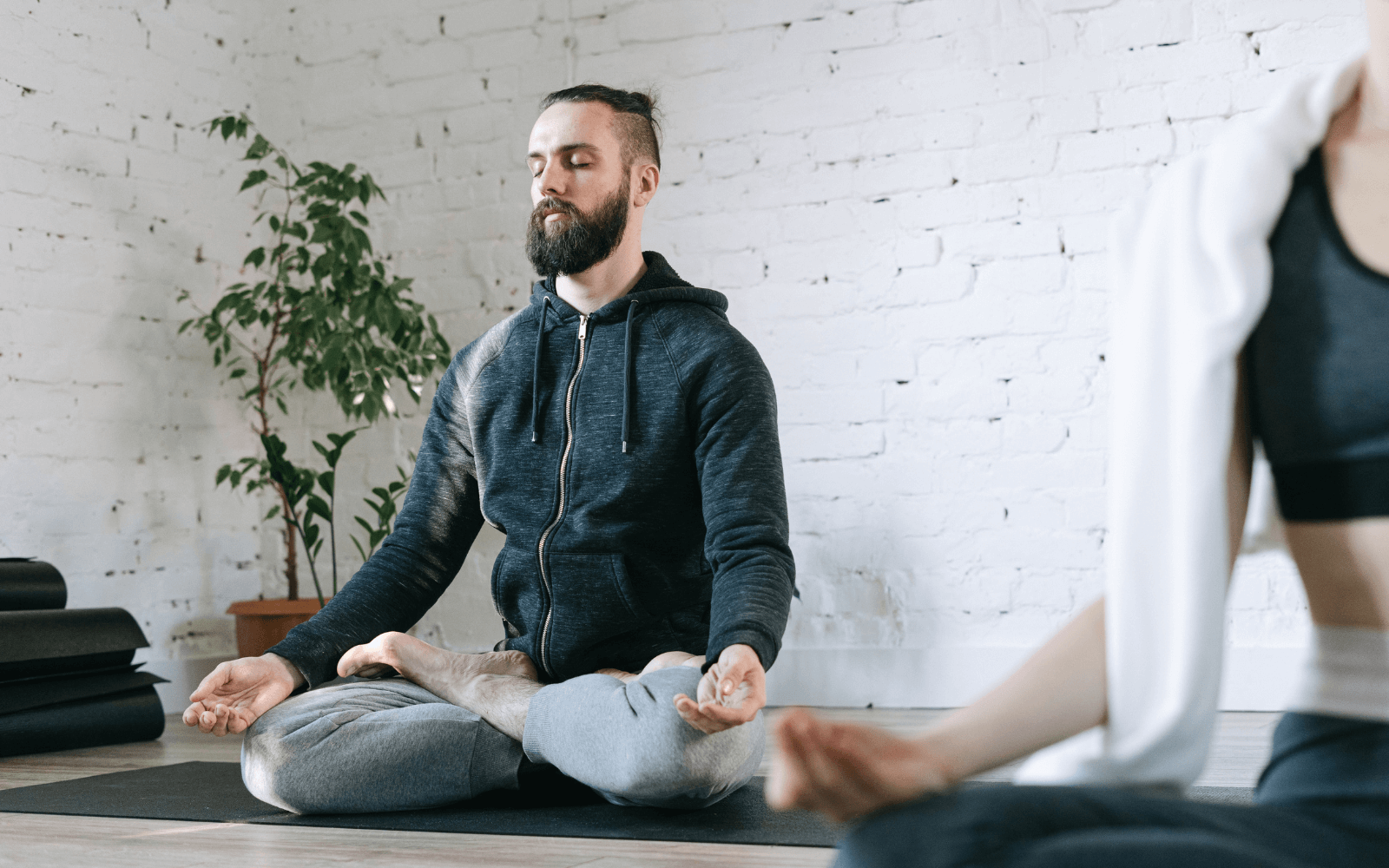
Yoga, meditation, and mindfulness practices form another cornerstone of our holistic approach. These ancient practices offer powerful tools for managing cravings, regulating emotions, and developing the self-awareness necessary for lasting recovery.
Regular yoga practice improves physical health, reduces stress hormones, and helps clients reconnect with their bodies in positive ways. Meditation develops the ability to observe thoughts and feelings without being controlled by them—a crucial skill when facing cravings or difficult emotions. Mindfulness training teaches clients to stay present rather than ruminating on the past or worrying about the future, reducing anxiety and depression that often accompany recovery.
These practices also address the spiritual emptiness that many people experience in active addiction. Without promoting any particular religious tradition, yoga and meditation offer a path to inner peace and connection that fills the void substances once occupied.
Building a Life Worth Living: Life Skills and Practical Support
Recovery isn’t just about stopping substance use; it’s about building a life so fulfilling that substances become unnecessary. Our life skills programming provides the practical tools clients need to thrive in recovery.
Life Skills Development
Many people enter treatment with significant gaps in basic life skills. Years of active addiction may have prevented them from developing skills that others take for granted. Our life skills curriculum addresses:
- Financial management and budgeting
- Communication and relationship skills
- Time management and goal setting
- Problem-solving and decision-making
- Conflict resolution
- Employment readiness
- Self-care and daily living routines
These practical skills build confidence and competence, helping clients envision a future where they can manage life’s challenges without turning to substances.
Physical Fitness: Strength for Body and Mind
Physical fitness is a powerful component of holistic recovery. Exercise releases endorphins, improves mood, reduces stress, and helps repair some of the physical damage caused by substance use. Our fitness programming is adapted to each client’s current fitness level and includes cardiovascular training, strength building, and functional fitness.
Regular exercise also provides structure, accomplishment, and a healthy coping mechanism for stress. Many clients discover a passion for fitness that becomes a cornerstone of their long-term recovery. The discipline developed through consistent physical training translates directly to the discipline required to maintain sobriety.
Nutritional Coaching: Healing from the Inside Out
Substance use takes a tremendous toll on physical health, often causing nutritional deficiencies, metabolic disruption, and damage to organs involved in digestion and nutrient absorption. Our nutritional coaching addresses these issues, helping clients understand how proper nutrition supports recovery.
We educate clients about the connection between diet and mental health, teaching them how certain foods can stabilize mood, improve sleep, and reduce cravings. Meal planning, cooking skills, and mindful eating practices help clients develop a healthier relationship with food—something many have struggled with alongside their addiction.
Family Support and Aftercare: Recovery is a Family Journey
Addiction doesn’t just affect the individual—it impacts entire families. Healing must extend beyond the person in treatment to include the family system that will support their long-term recovery.
Family Support Programs
Our family support programming helps loved ones understand addiction as a disease, learn about their own patterns that may have developed in response to addiction, and develop healthy communication and boundary-setting skills. Family therapy sessions address resentments, rebuild trust, and create new patterns of interaction that support recovery.
We also educate families about the recovery process, helping them understand what to expect and how to best support their loved one without enabling or creating unhealthy dynamics. This education reduces anxiety for both clients and families as they navigate the transition back to family life.
Comprehensive Aftercare
Recovery doesn’t end when formal treatment concludes—in many ways, that’s when the real work begins. Our aftercare program provides ongoing support as clients navigate the challenges of early recovery. This includes:
- Regular check-ins with counselors
- Access to alumni support groups
- Continued participation in virtual programming
- Crisis support when challenges arise
- Connections to community resources and recovery fellowships
Research consistently shows that ongoing support dramatically improves long-term recovery outcomes. Our comprehensive aftercare ensures that clients never have to face the challenges of recovery alone.
Treating the Full Spectrum of Substance Use Disorders
Holistic addiction treatment centers in Ontario must be equipped to address all forms of addiction, as each substance creates unique challenges and requires specialized understanding.
Alcohol Addiction
Alcohol addiction is particularly challenging because of alcohol’s legal status and social acceptance. Our alcohol treatment program addresses the physical dependence that can develop, the social pressures around drinking, and the underlying issues that drive excessive use.
Benzodiazepine Addiction
Benzodiazepine addiction often begins with legitimate prescriptions for anxiety or sleep issues, making it particularly stigmatized and difficult to address. Our approach recognizes that benzos addiction may have developed in the context of untreated mental health conditions. We provide safe, gradual tapering protocols when appropriate and address the underlying anxiety or insomnia with healthier coping strategies.
Stimulant Addictions: Cocaine and Methamphetamine
Cocaine addiction and methamphetamine addiction create intense psychological dependence and can cause significant damage to the brain’s reward system. Our treatment focuses on repairing these neurological changes through comprehensive support, addressing the energy and mood fluctuations that occur in early recovery, and developing alternative sources of excitement and pleasure.
Opiate Addiction
Opiate addiction has reached crisis levels across Ontario and Canada. Whether the addiction involves prescription painkillers or illicit substances like heroin or fentanyl, our treatment provides compassionate, comprehensive care. We support both abstinence-based recovery and medication-assisted treatment approaches, recognizing that individuals need different paths to recovery.
Prescription Drug Addiction
Prescription drug addiction encompasses a wide range of substances, from painkillers to stimulants to sedatives. Our treatment addresses the unique shame and confusion that often accompanies addiction to medications prescribed by doctors. We help clients understand how legitimate medical treatment can sometimes lead to dependency and support them in finding alternative pain management or mental health treatment strategies.
The Power of Community in Holistic Recovery
One element that makes holistic addiction treatment centers in Ontario particularly effective is the power of community. At Twelve Mile Recovery, clients find themselves surrounded by others who understand their struggles without judgment. This peer support creates powerful healing.
Group therapy, shared meals, communal activities, and the simple presence of others walking the same path provide accountability, inspiration, hope, and belonging. Many clients report that the relationships formed during treatment become some of the most important relationships of their lives—friendships built on shared vulnerability, growth, and commitment to recovery.
The community extends beyond current clients to include our alumni network. Those who have completed our program often return to share their experiences, offer hope to those earlier in recovery, and maintain their own sobriety through service. This multigenerational recovery community creates a culture of hope and possibility.
Why Location Matters: Recovery in Ontario
Ontario offers unique advantages for recovery. Our location provides access to natural beauty and outdoor activities that support holistic healing, while still maintaining connections to urban resources and amenities. The changing seasons mirror the transformation that occurs in recovery—the death and rebirth, the periods of dormancy and explosive growth, the necessity of preparation and adaptation.
For Ontario residents, receiving treatment close to home means maintaining important connections while getting the intensive support needed. For others, the opportunity to step away from familiar environments while remaining in Canada provides the right balance of distance and accessibility.
Making the Decision: Is Holistic Treatment Right for You?
If you’re struggling with addiction and traditional approaches haven’t provided lasting recovery, holistic addiction treatment centers in Ontario may offer the comprehensive support you need. Our approach is particularly effective for individuals who:
- Have underlying trauma that contributes to substance use
- Struggle with co-occurring mental health conditions
- Want to address the physical, mental, emotional, and spiritual aspects of recovery
- Are seeking a community-based approach to healing
- Value both evidence-based clinical interventions and complementary holistic practices
- Need intensive support but appreciate innovative, non-traditional modalities
Taking the First Step
Reaching out for help is often the hardest part of the recovery journey. At Twelve Mile Recovery, we make that first step as easy as possible. Our admissions team is available to answer your questions, discuss your unique situation, and help determine whether our program is the right fit for your needs.
We understand that seeking treatment requires vulnerability and courage. You’ll be met with compassion, respect, and a genuine commitment to supporting your recovery journey. Whether you’re struggling with alcohol, benzodiazepines, cocaine, methamphetamine, opiates, or prescription drugs, we have the expertise and comprehensive programming to support your healing.
Conclusion: A New Approach to Lasting Recovery
Holistic addiction treatment centers in Ontario represent an evolution in how we understand and treat substance use disorders. By addressing the whole person—body, mind, and spirit—through innovative modalities like trauma-informed martial arts, yoga and mindfulness practices, nutritional coaching, and comprehensive life skills development, we create the conditions for true transformation.
At Twelve Mile Recovery, we’ve seen countless individuals arrive broken and hopeless, only to discover strengths they didn’t know they possessed and create lives beyond what they imagined possible. This transformation doesn’t happen through willpower alone or by simply removing substances. It happens through comprehensive, compassionate care that addresses every aspect of addiction and recovery.
Recovery is possible. Healing is possible. A life of purpose, connection, and fulfillment is possible. The question isn’t whether you deserve recovery—you do. The question is whether you’re ready to take the first step toward the comprehensive, holistic care that can make lasting recovery a reality.
If you or someone you love is struggling with addiction, we invite you to learn more about our approach. Contact Twelve Mile Recovery today to discover how our holistic addiction treatment programs can support your journey toward lasting healing and transformation. Your new life is waiting—and we’re here to walk beside you every step of the way. For more information, visit our website https://twelvemilerecovery.ca/ or call us at (289) 273-3049.
Frequently Asked Questions About Holistic Addiction Treatment
What makes holistic addiction treatment different from traditional treatment?
Holistic addiction treatment centers in Ontario like Twelve Mile Recovery address the whole person—mind, body, and spirit—rather than focusing solely on substance use. While traditional treatment may emphasize detoxification and behavioral interventions, our holistic approach integrates trauma-informed care, physical fitness, nutritional healing, mindfulness practices, and innovative therapies like martial arts and cold exposure. This comprehensive method treats the root causes of addiction, not just the symptoms.
How long does treatment at Twelve Mile Recovery typically last?
Treatment length varies based on individual needs and the severity of addiction. Our inpatient program provides intensive residential care, while our virtual treatment program offers flexibility for those who need ongoing support. We believe that recovery is a journey, not a destination, which is why our comprehensive aftercare program provides continued support long after formal treatment concludes. During your initial assessment, we’ll work with you to develop a treatment timeline that supports your specific recovery goals.
Can family members participate in treatment?
Absolutely. We recognize that addiction affects entire families, and recovery is most successful when families heal together. Our family support programs include education about addiction, family therapy sessions, and tools for rebuilding healthy communication and trust. We encourage family involvement throughout the treatment process and provide resources to help loved ones support long-term recovery.
Is your virtual treatment program as effective as inpatient treatment?
Our virtual treatment program delivers the same quality clinical care, therapeutic interventions, and access to our holistic modalities through secure video platforms. While inpatient treatment provides the benefit of a structured residential environment away from triggers, virtual treatment offers flexibility for those who need intensive support while maintaining work or family responsibilities. Many clients use a combination of both, starting with inpatient care and transitioning to virtual support as they integrate back into daily life.
What if I’ve tried treatment before and relapsed?
Relapse doesn’t mean failure—it often means that previous treatment didn’t address all the underlying factors contributing to addiction. Our comprehensive approach is specifically designed for individuals who haven’t found lasting success with traditional methods. By addressing trauma, developing practical life skills, improving physical health, and building a supportive community, we create conditions for sustainable recovery. Many of our most successful clients came to us after previous treatment attempts, and they found that our holistic approach provided the missing pieces they needed.
