

There’s a quiet revolution happening in addiction treatment across Canada. While traditional rehab programs continue to serve an important purpose, an increasing number of people are discovering something different—something that speaks to their need for comprehensive healing rather than just symptom management. This shift is particularly evident in the growing interest in holistic drug rehab Toronto Canada has to offer, where individuals are finding pathways to recovery that honor the whole person, not just the addiction.
At Twelve Mile Recovery, we’ve witnessed this transformation firsthand. We’ve seen people arrive feeling broken, disconnected from themselves, and skeptical that anything could truly help. And we’ve watched those same individuals leave with a renewed sense of purpose, equipped with tools they never knew existed, and connected to parts of themselves they thought were lost forever.
The Limitations of Conventional Approaches
For decades, addiction treatment followed a relatively predictable formula: detox, group therapy, twelve-step meetings, and discharge. While these elements remain valuable, they often missed something crucial—the underlying reasons people turn to substances in the first place, and the comprehensive healing required to build a life worth staying sober for.
Traditional programs frequently focused on abstinence as the primary goal, sometimes overlooking the trauma, mental health challenges, physical health issues, and spiritual emptiness that fuel addictive behaviors. It’s like treating a broken leg without addressing why someone keeps walking into traffic. The immediate problem gets attention, but the root cause remains untouched.
This is precisely why holistic drug rehab Toronto Canada facilities are gaining traction. People are recognizing that sustainable recovery requires more than willpower and group meetings. It requires addressing the physical body that’s been damaged by substance use, the mind that’s learned unhealthy coping mechanisms, the emotions that have been suppressed for years, and the spirit that’s been neglected in the chaos of addiction.
What Makes Holistic Treatment Different
The word “holistic” gets thrown around frequently in wellness circles, but what does it actually mean in the context of addiction treatment? At its core, holistic care acknowledges that human beings are complex, integrated systems. When one aspect of our being suffers, everything else is affected. When we heal one dimension, positive changes ripple through every other area.
If someone chooses holistic drug rehab Toronto Canada offers, they’re choosing a treatment approach that doesn’t view them as a collection of symptoms to be managed, but as a whole person with physical, mental, emotional, and spiritual needs. This perspective fundamentally changes the treatment experience.
Consider physical fitness, for example. In a holistic program, exercise isn’t just about getting healthier or filling time. It’s about reconnecting with your body, learning that you can push through discomfort without turning to substances, experiencing natural endorphins, and building confidence through measurable progress. A morning run becomes a moving meditation, a lesson in discipline, and a celebration of what your body can do when you treat it with respect.
Similarly, nutritional coaching isn’t just about eating better. It’s about understanding how diet affects mood, energy levels, and cravings. It’s about learning to nourish yourself literally and metaphorically, developing a positive relationship with food, and experiencing how proper nutrition supports mental clarity and emotional stability.
The Mind-Body Connection in Recovery
One of the most powerful aspects of holistic drug rehab Toronto Canada provides is the emphasis on the mind-body connection. For years, Western medicine treated the mind and body as separate entities, but ancient wisdom and modern neuroscience both confirm what many people intuitively know: our mental state affects our physical health, and our physical state influences our mental wellbeing.
This integration is particularly relevant in addiction recovery. Trauma, for instance, doesn’t just live in our memories—it’s stored in our bodies. Unprocessed trauma can manifest as chronic tension, pain, or illness, and these physical sensations can trigger cravings or relapse if not addressed. This is where approaches like trauma-informed martial arts become transformative.
Martial arts in a recovery context isn’t about learning to fight. It’s about developing body awareness, practicing discipline, channeling aggression constructively, and building confidence. For someone who has felt powerless throughout their addiction, the experience of mastering a physical skill and feeling strong in their body can be profoundly healing. The structured practice, the respect inherent in martial arts traditions, and the mental focus required all contribute to recovery in ways that talk therapy alone cannot achieve.
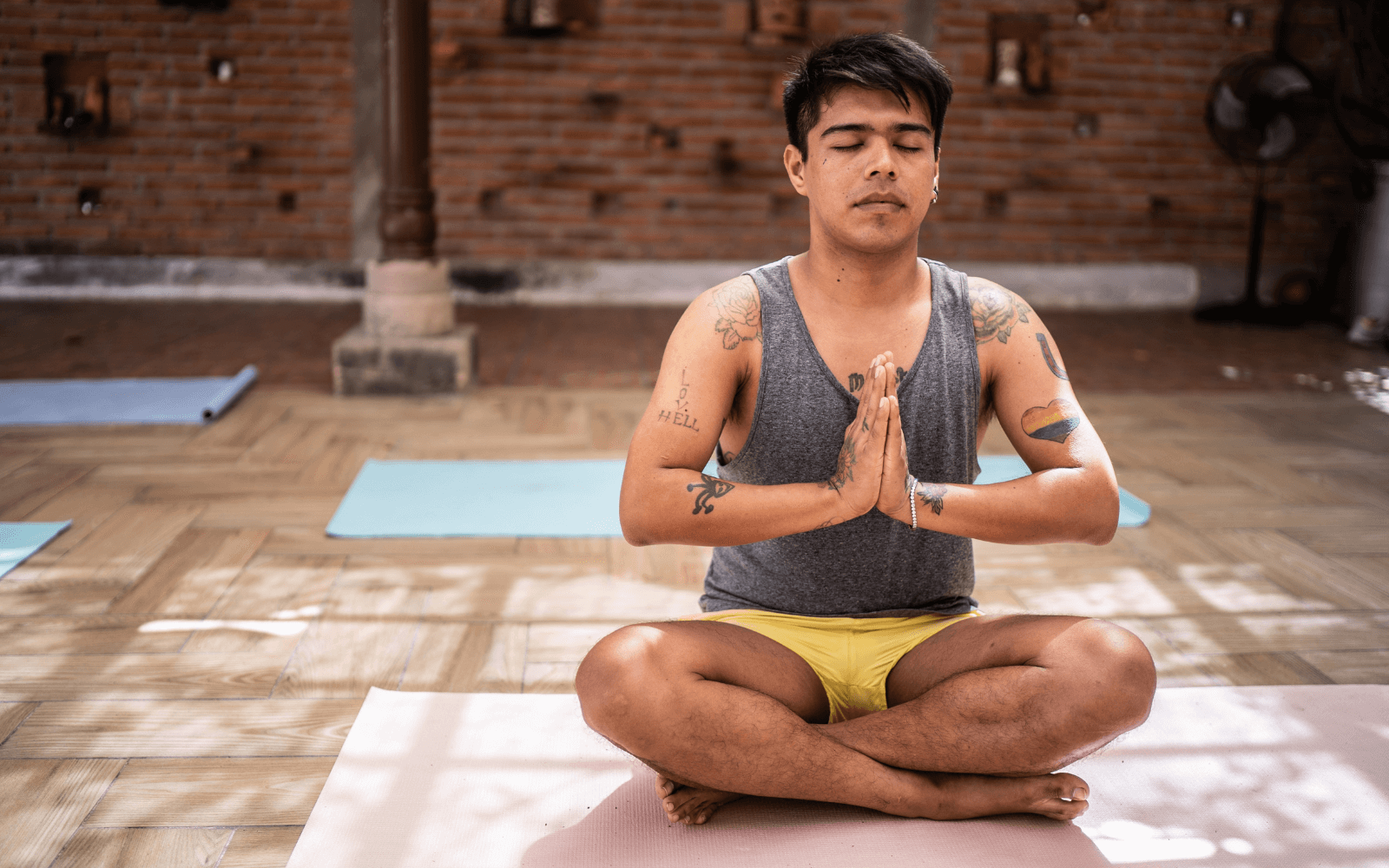
Yoga, meditation, and mindfulness practices work similarly, but with a different energy. These practices teach individuals to sit with discomfort without reacting, to observe thoughts without being controlled by them, and to find stillness in the midst of chaos. For people whose addiction was partly a way to escape uncomfortable feelings, these tools are invaluable. They provide a sustainable alternative to substance use when life inevitably becomes challenging.
Addressing the Whole Spectrum of Addiction
Another reason more people are gravitating toward holistic drug rehab Toronto Canada facilities offer is the comprehensive approach to different types of substance use disorders. Whether someone struggles with benzodiazepine addiction, cocaine addiction, methamphetamine addiction, opiate addiction, or prescription drug addiction, holistic treatment recognizes that while the substances differ, the underlying needs are often similar.
Each substance creates its own physical and psychological challenges, of course. Benzo addiction requires careful medical management during detox. Stimulant addiction often involves rebuilding depleted neurotransmitter systems. Opiate addiction may require medication-assisted treatment. But regardless of the substance, every person in recovery needs to rebuild their life, develop healthy coping mechanisms, repair relationships, and discover meaning beyond their addiction.
This is where life skills training becomes essential. In active addiction, basic self-care often falls away. People forget how to structure their days, manage finances, maintain a household, set boundaries, or pursue goals. Holistic treatment recognizes that recovery isn’t just about stopping substance use—it’s about learning to live effectively without substances. This means addressing practical skills alongside therapeutic work.
The Family Dimension of Holistic Healing
Addiction doesn’t happen in isolation, and neither does recovery. The families and loved ones of people struggling with substance use disorders experience their own trauma, develop their own unhealthy coping patterns, and desperately need support and education. This is why family support and aftercare are integral components of truly holistic treatment.
When families are involved in the recovery process, everyone benefits. Loved ones learn about addiction as a disease, understand enabling behaviors they may have unknowingly engaged in, develop healthier communication patterns, and begin their own healing journey. The person in treatment feels more supported, has greater accountability, and returns to a home environment that’s been transformed to support sobriety rather than undermine it.
This family-centered approach also extends into aftercare. Recovery doesn’t end when someone completes a residential program. In fact, the most challenging phase of recovery often begins when someone returns to their regular life with all its triggers, stresses, and temptations. Holistic drug rehab Toronto Canada programs understand this, which is why comprehensive aftercare planning is essential.
Aftercare might include ongoing individual therapy, continued participation in group support, regular check-ins with recovery counselors, and gradual reintegration into work or school. Some people benefit from virtual treatment programs that provide flexibility while maintaining structure. Others need the accountability of in-person meetings. Holistic treatment means meeting each person where they are and adapting support to their evolving needs.
Beyond Traditional Settings: Flexibility in Treatment
The landscape of addiction treatment is evolving, and holistic drug rehab Toronto Canada facilities are at the forefront of this evolution. While inpatient treatment remains the gold standard for many people—particularly those with severe addictions, co-occurring mental health conditions, or unsafe home environments—there’s growing recognition that one size doesn’t fit all.
Virtual treatment programs have expanded access to quality care for people who can’t leave work or family obligations, who live in remote areas, or who have already completed residential treatment and need ongoing support. These programs leverage technology to facilitate group sessions and provide the structure many people need without requiring physical relocation.
This flexibility is part of what makes holistic care truly holistic—it adapts to the person rather than forcing the person to adapt to rigid program requirements. Some individuals thrive with the immersive experience of residential treatment, while others do better with intensive outpatient programs that allow them to practice recovery skills in real-time while maintaining their daily responsibilities.
The Long-Term Perspective
Perhaps the most significant advantage of choosing holistic drug rehab Toronto Canada offers is the long-term perspective embedded in this approach. Traditional treatment often focused on short-term outcomes: Did the person complete the program? Are they sober at discharge? These are important questions, but they don’t capture the full picture.
Holistic treatment asks different questions: Is this person developing a life worth staying sober for? Are they building skills that will serve them for decades? Are they addressing the root causes of their addiction? Do they have a support system? Have they discovered purpose and meaning? Are they physically healthier? Do they have tools for managing stress, trauma, and difficult emotions?
Recovery is a lifelong journey, not a destination. The tools someone acquires in holistic treatment—whether that’s a daily meditation practice, nutritional knowledge, physical fitness habits, trauma processing skills, or mindfulness techniques—serve them not just in early sobriety but throughout their entire life. These aren’t just relapse prevention strategies; they’re life enhancement practices that anyone would benefit from.
The Toronto Advantage
While holistic treatment is available in various locations, there’s something particularly compelling about pursuing holistic drug rehab Toronto Canada provides. Toronto and the surrounding areas offer a unique combination of world-class treatment facilities, diverse therapeutic options, natural environments that support healing, and a cultural acceptance of holistic health practices.
The city’s proximity to nature allows for outdoor therapeutic activities that would be impossible in some urban centers. The multicultural environment means treatment can be culturally sensitive and inclusive. The concentration of skilled practitioners—from trauma therapists to nutritionists to yoga instructors to martial arts teachers—means programs can assemble truly exceptional treatment teams.
Making the Decision
Choosing to enter treatment is one of the most courageous decisions someone can make. Choosing holistic drug rehab Toronto Canada facilities offer means committing not just to sobriety, but to comprehensive transformation. It means being willing to look at every aspect of your life, to sit with discomfort, to try new things, and to trust that healing is possible even when it feels impossible.
This type of treatment isn’t necessarily easier than traditional programs—in fact, the depth of work required can be more challenging. But it’s more sustainable because it builds a foundation for lasting change rather than simply addressing surface symptoms. It honors the complexity of human experience and the reality that addiction is never just about substances—it’s about pain, trauma, disconnection, and the desperate search for relief.
At Twelve Mile Recovery, we’ve had the privilege of walking alongside countless individuals as they discover what’s possible in holistic treatment. We have seen people reconnect with their bodies through martial arts and physical fitness after years of self-neglect. We’ve watched individuals experience genuine peace for the first time through meditation and mindfulness practices. We’ve witnessed the healing that happens when families engage in the recovery process together with proper support and guidance.
The Path Forward
Holistic drug rehab in Toronto is gaining attention because recovery is more than stopping substance use. True healing addresses the mind, body, and spirit, offering tools to build a life free from dependency.
Holistic treatment requires time, effort, and vulnerability—but it delivers more than sobriety. It fosters wellness, vitality, and personal growth.
This approach challenges you to face the root causes of addiction, discover hidden strengths, and heal old wounds. More people are choosing holistic rehab because they’re ready for real, lasting change—supported by skilled professionals, evidence-based therapies, and a philosophy that sees their potential, not just their problems.
Recovery is possible. Transformation is possible. And increasingly, people are discovering that the path to both runs through holistic treatment that honors every aspect of who they are and who they can become. If you’re ready to begin that journey, know that support is available, healing is possible, and you don’t have to walk this path alone. For more information, visit our website https://twelvemilerecovery.ca/ or call us at (289) 273-3049.
